
Lawn Mower Guides: How-Tos, Comparisons and Buying Advice
Find the practical lawn mower article that answers your question, from sharpening a blade to choosing between two types of mower.
This is the index of our practical articles. They sit outside the rankings and cover what you do before, during and after a purchase: setting up a mower, using it, keeping it sharp and deciding which type suits your yard.
Scan the card titles below and pick the one that matches your situation. Titles starting with "How to" walk you through a task, titles with "vs" compare two types side by side, and titles phrased as questions answer a single point, such as blade height or the best time to buy.
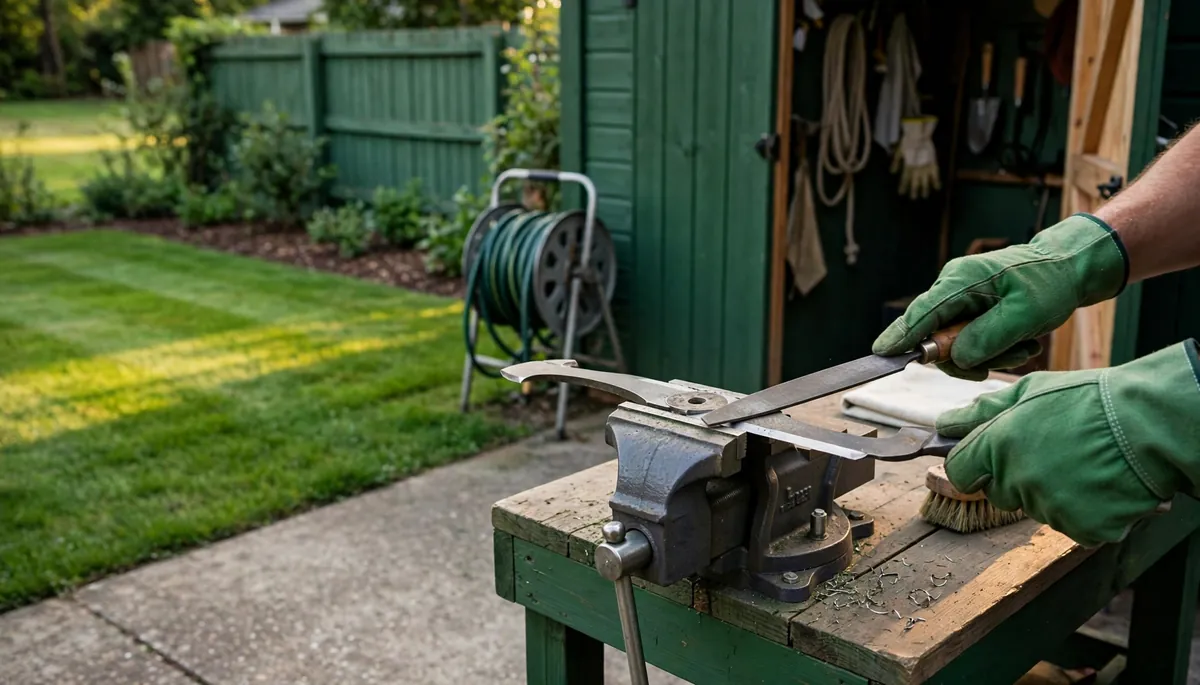
How to Sharpen a Lawn Mower Blade
Sharpen a rotary mower blade every 20 to 25 hours of mowing. Remove it, restore the bevel to a butter-knife edge, balance it, refit it wings-up and torque it.
Read more →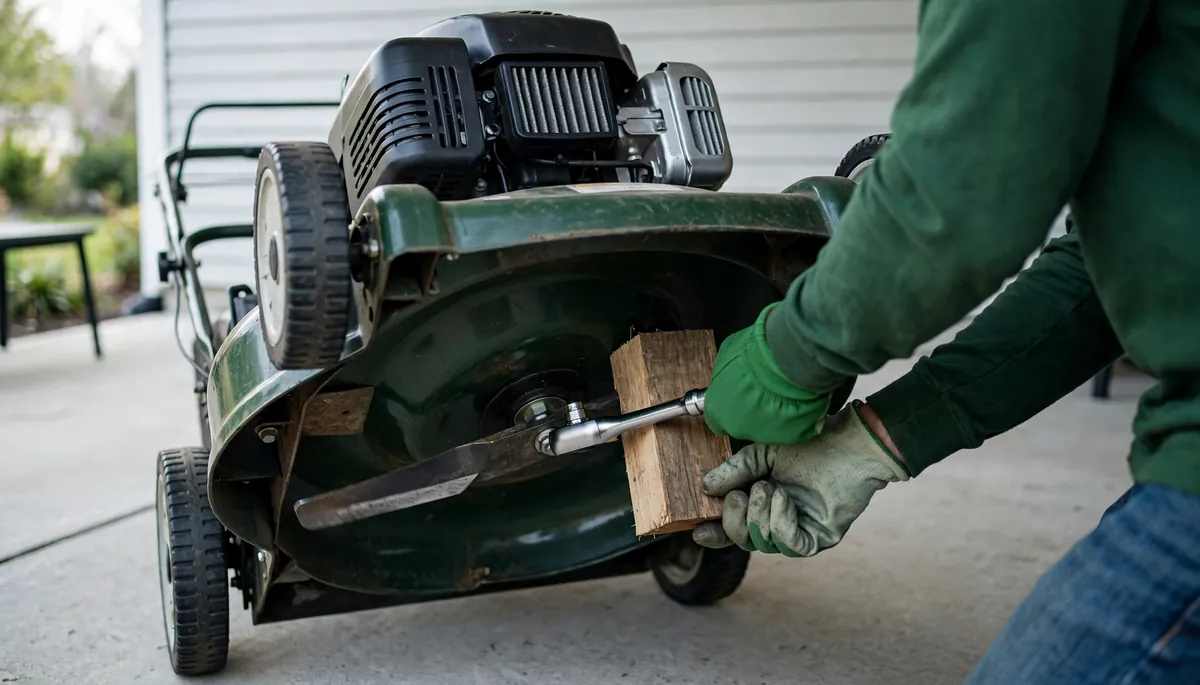
How to Remove a Lawn Mower Blade
Kill the power, tip the mower with the air filter up, block the blade with wood and turn the bolt counterclockwise. Steps, torque figures and stuck-bolt fixes.
Read more →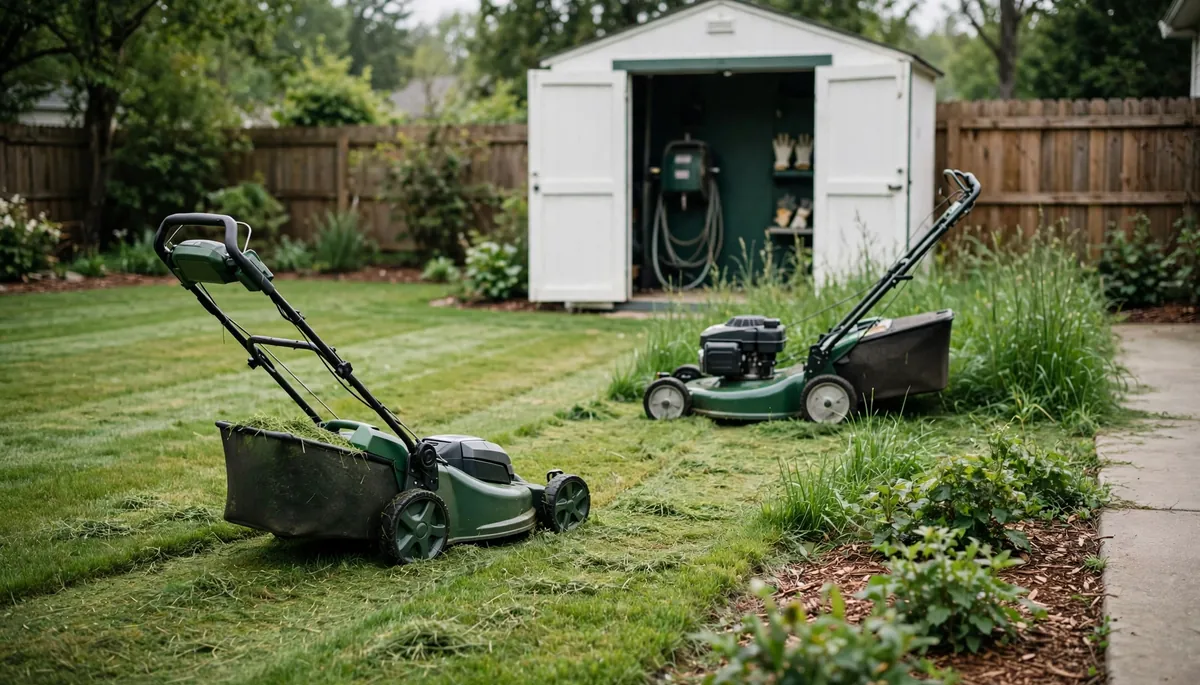
Electric vs Gasoline Lawn Mower: Which One Should You Buy?
Electric vs gasoline lawn mower: for most lawns under a quarter acre mowed weekly, battery electric wins. Gas still wins on big, rough or overgrown yards.
Read more →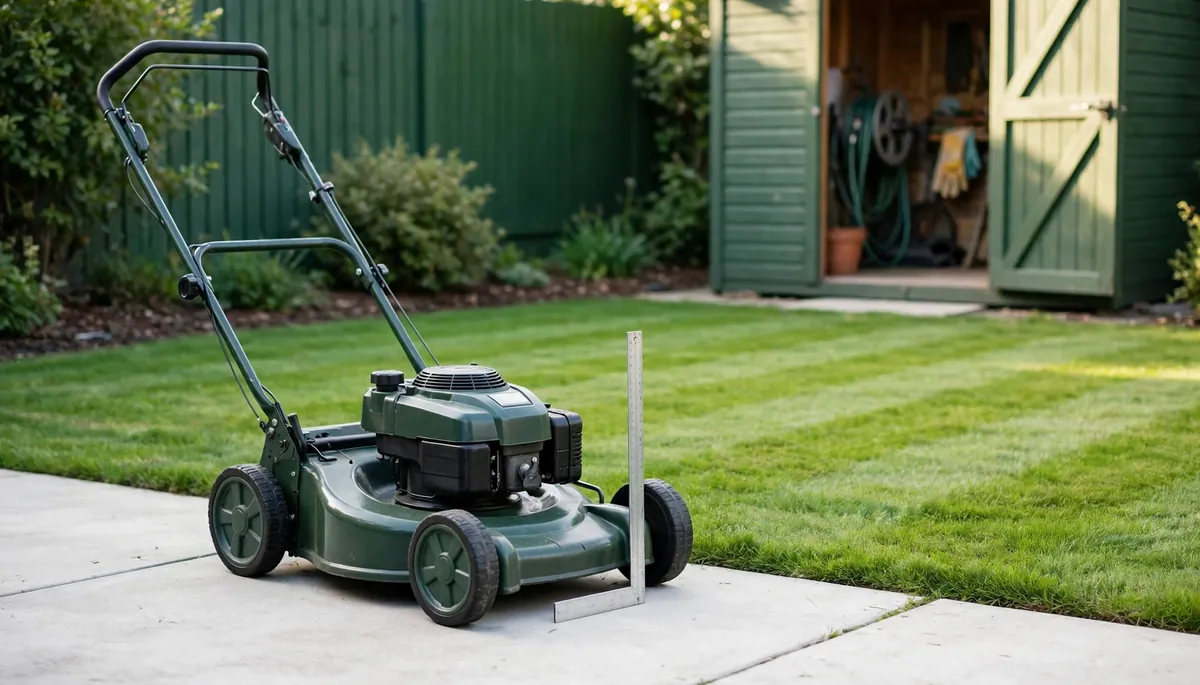
What Is the Right Lawn Mower Blade Height?
Set your lawn mower blade to 3 to 3½ inches for most US lawns. Learn the right height by grass type, how to measure your mower, and seasonal adjustments.
Read more →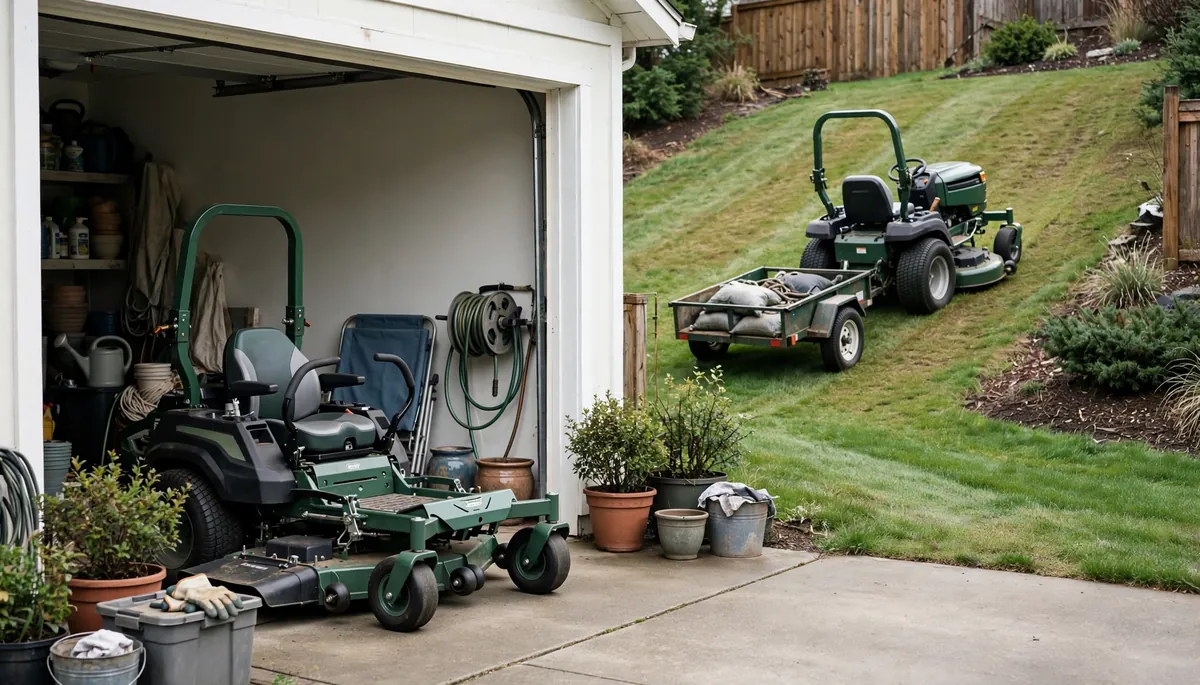
Lawn Tractor vs Zero-Turn Mower: Which One Should You Buy?
Lawn tractor versus zero turn: a zero turn wins on flat, cluttered lawns where speed matters, a lawn tractor wins on slopes, towing and budget. Here is why.
Read more →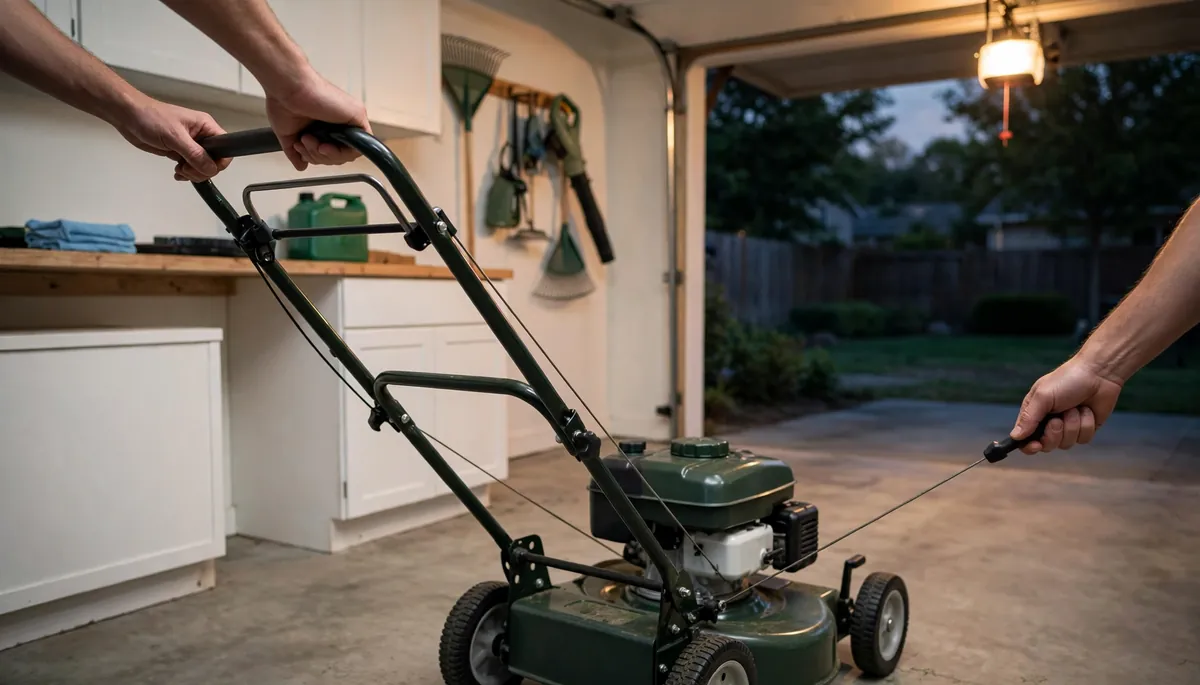
How to Turn On a Lawn Mower
Walk-behind mowers start through four gates: fuel or charge, choke or primer, the safety bar, then the pull or key. Here is the order for each type.
Read more →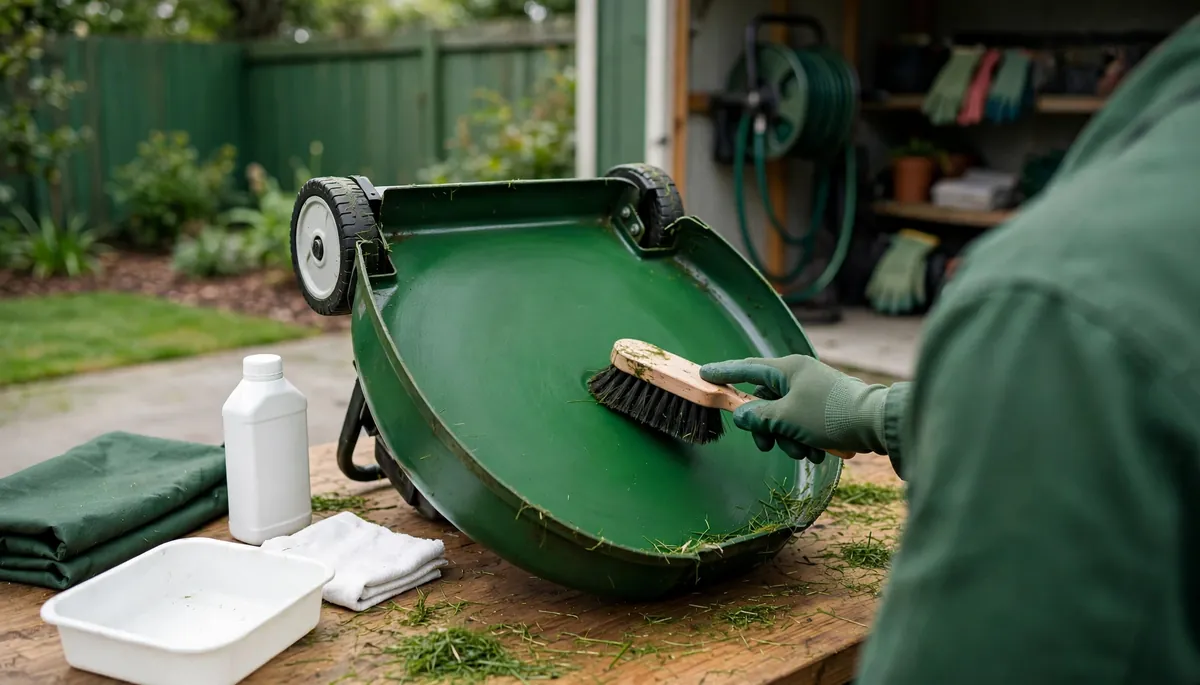
Mower Maintenance: What to Do and When
Mower maintenance made simple: a schedule for every mower type, oil and blade intervals, deck care, battery storage, winterizing and troubleshooting.
Read more →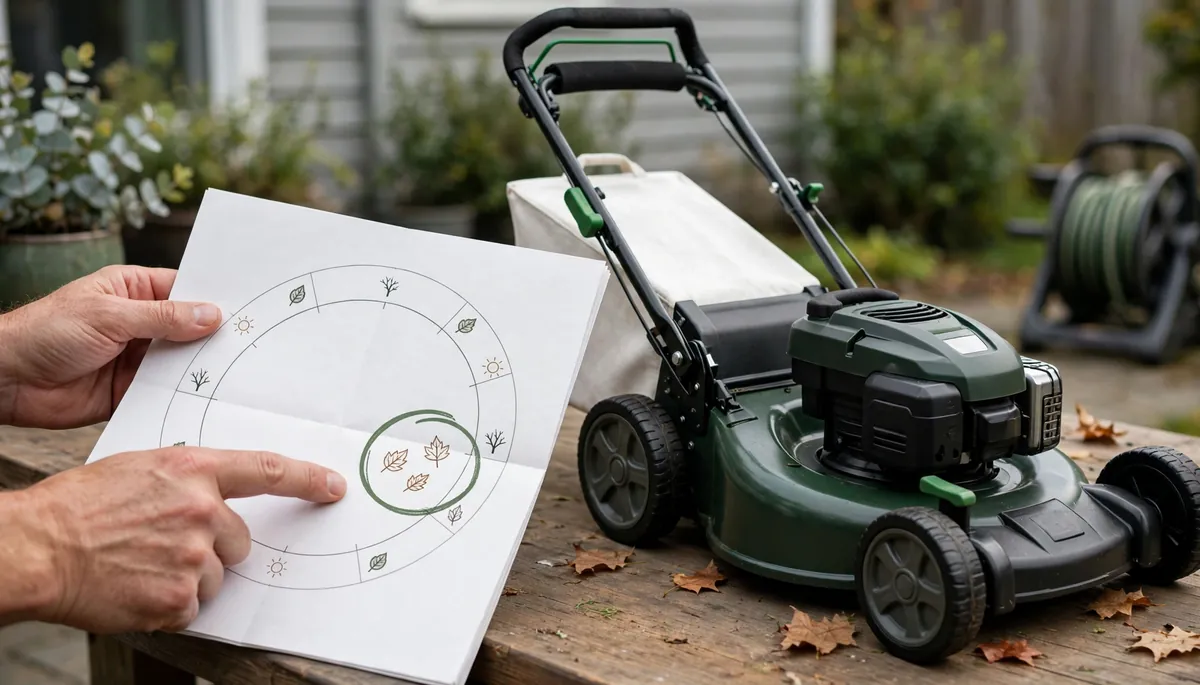
When Is the Best Time to Buy a Lawn Mower?
Late August through October is the cheapest window for a lawn mower, early spring has the widest choice, and summer is the worst time on price. Here is why.
Read more →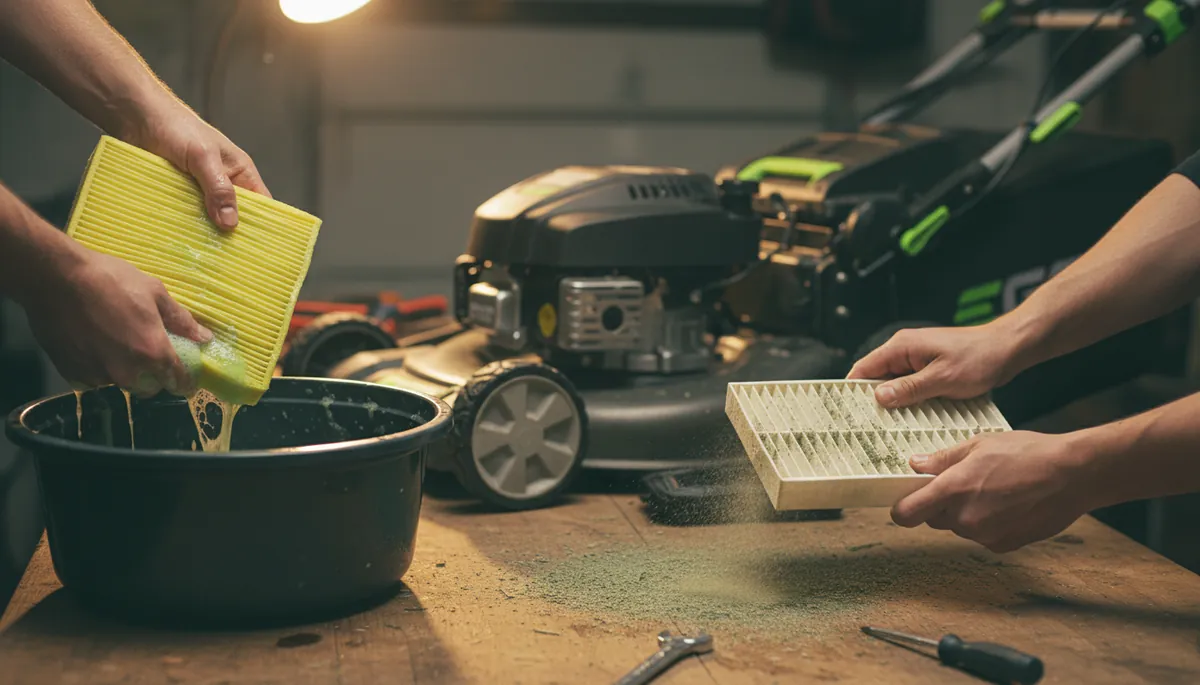
How to Clean a Lawn Mower Air Filter
Foam filters get washed, dried and re-oiled. Paper filters get tapped and replaced. Here is the exact procedure for each type, and when to just buy a new one.
Read more →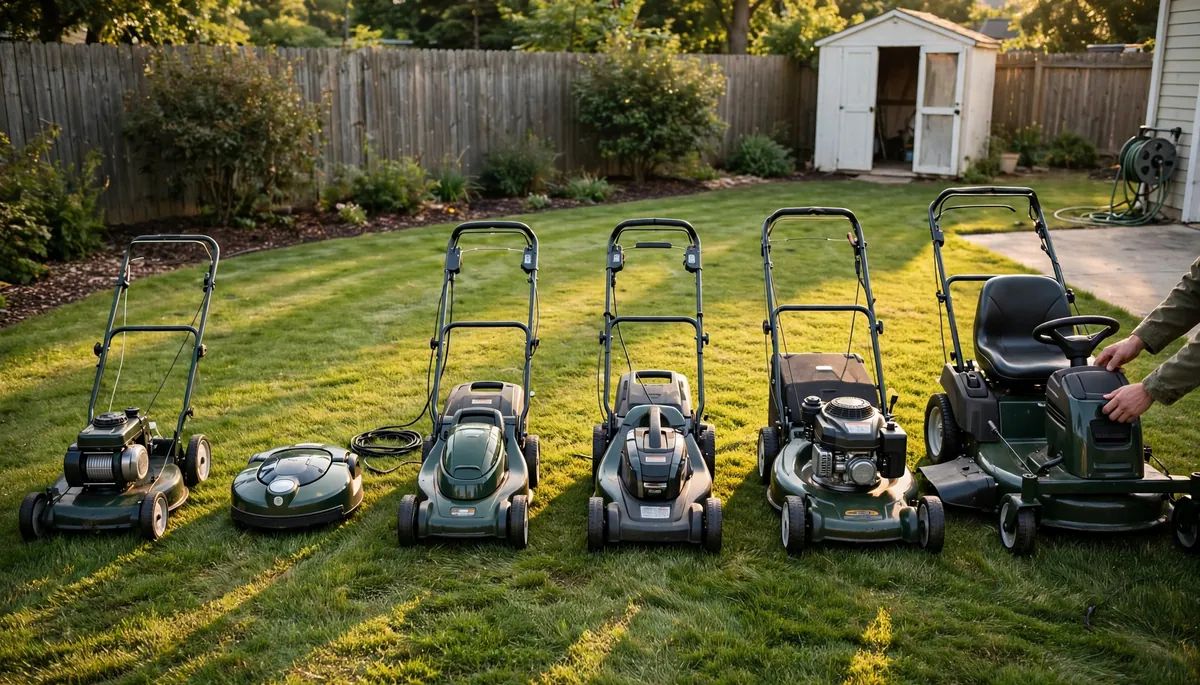
Lawn Mower Types: Which One Is Right for Your Yard?
Lawn mower types explained by how they cut, what powers them and how they move, with yard-size bands, slope limits and upkeep for each one.
Read more →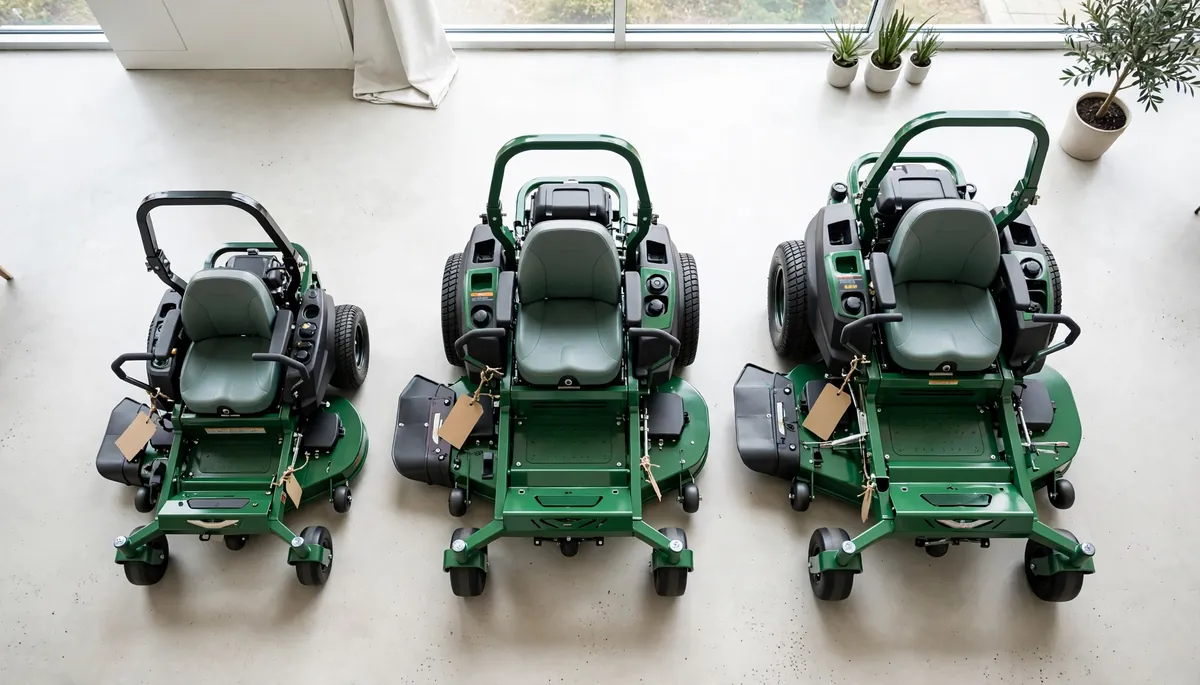
Zero-Turn Mower Prices: How Much Should You Expect to Pay?
Zero turn mower prices are set by deck width, deck construction, transmission grade and engine tier. Here is what each tier buys and what lands on the sticker.
Read more →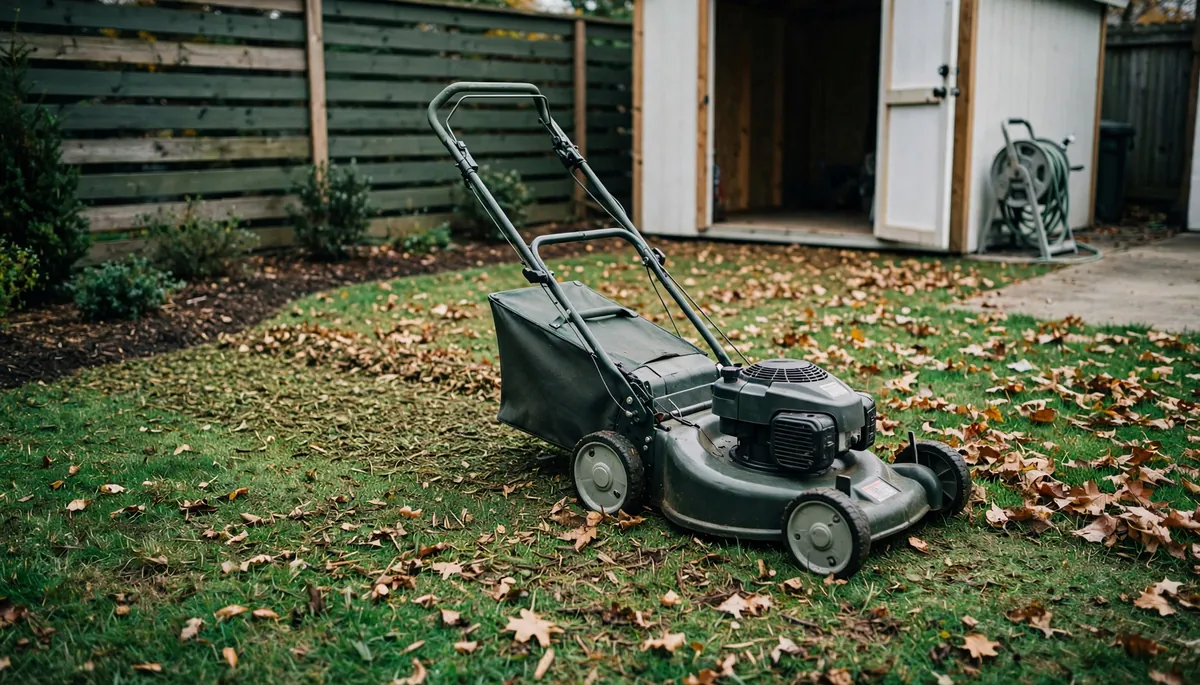
How to Mulch Leaves with a Lawn Mower
Learn how to mulch leaves with a lawn mower: dry leaves, high deck, slow passes at 90 degrees, dime-size pieces, plus what each mower type can handle.
Read more →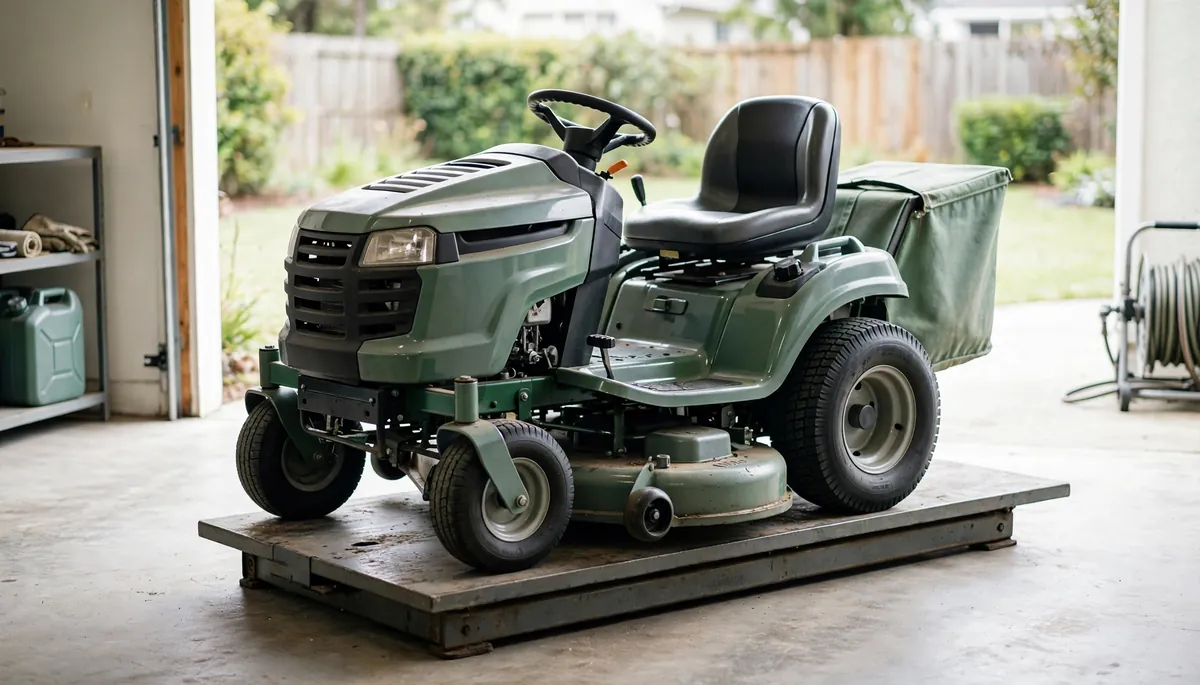
How Much Does a Riding Lawn Mower Weigh?
A typical residential riding lawn mower weighs about 500 to 600 lb dry. See the weight by type and deck size, plus what fuel, you and a bagger add.
Read more →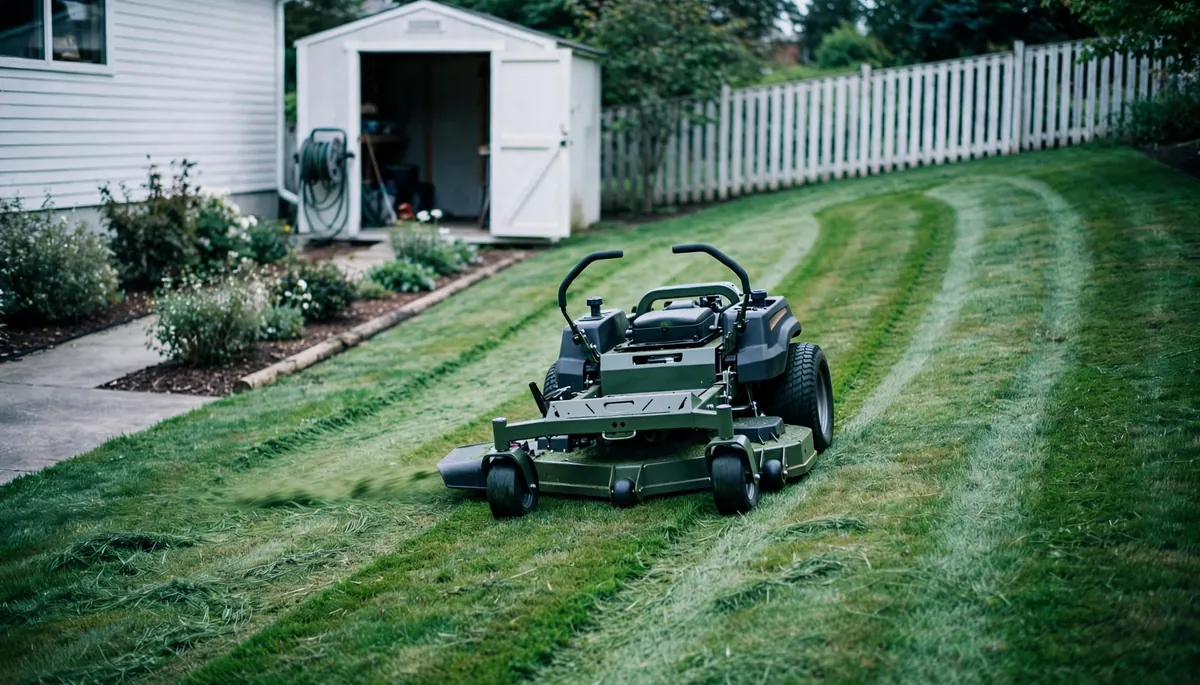
How to Drive a Zero-Turn Mower
Learn how to drive a zero-turn mower: each lap bar drives one rear wheel, so push both to go straight and ease one back to turn. Practice plan and slope tips.
Read more →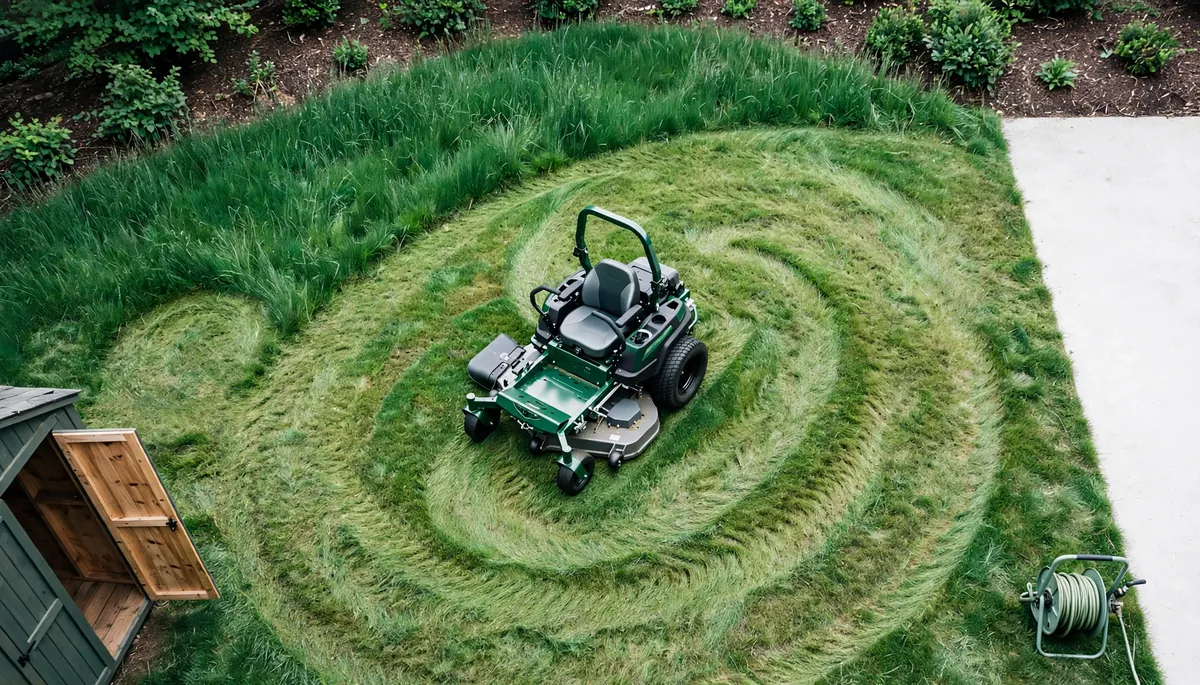
What Is a Zero-Turn Mower?
A zero-turn mower steers with two lap bars and pivots in place. Learn how it turns, where it struggles on slopes, and whether your yard suits one.
Read more →Matching an article to your need
Start with where you are in the ownership cycle. If you are still deciding what to buy, the comparison articles are the place to begin, because the choice between electric and gasoline, push and self-propelled, or tractor and zero-turn shapes everything that follows. Yard size, slope and how much time you want to spend mowing usually decide it.
If you already own a mower, look for the task you are facing. Starting problems, dull blades and uneven cuts each have a dedicated how-to, and most of them take less time to fix than to put off.
Upkeep and technique that affect your results
A sharp blade and a sensible cutting height do more for the look of a lawn than most upgrades. A dull blade tears grass instead of cutting it, and a deck set too low stresses the turf, so blade care and height are worth reading about before you consider replacing the machine.
Seasonal habits matter too. Mulching leaves in fall, for example, is a technique question rather than a buying one, and the right approach depends on the type of mower you have and how thick the leaf layer is.
When the question is about cost or timing
Budget questions rarely have a single answer. Price depends on the type of mower, its cutting width, its drive system and its power source, so it helps to settle on a type first and then look at what that type typically costs.
Timing also plays a part. Mower prices tend to move through the year, and our article on the best time to buy explains when waiting can be worthwhile and when it only delays a mower you need now.